Summer in Indiana brings heatwaves, sudden storms, and a massive jump in electrical use. While you're trying to stay cool, your home’s electrical system is under significant stress. This is the peak season for two common but very different issues: power surges and panel overloads.
While both can leave you in the dark, their causes and risks aren't the same. One can fry your favorite gadgets in a heartbeat, while the other is a direct warning sign of a potential fire hazard—understanding which is which is the first step in keeping your household safe this season.
Understanding Power Surges During Summer Storms
A power surge is a sudden, violent spike in electrical voltage. Think of it like a tidal wave of electricity hitting your home’s wiring. While these spikes last less than a second, they carry enough energy to destroy delicate internal parts in your electronics instantly.
In Indiana, summer lightning is a primary culprit. A strike miles away can send a massive surge through the utility lines and right into your living room. However, surges can also start inside your house when high-power appliances like your AC cycle on and off.
Watch for these specific surge indicators:
- Flashing Clocks: Digital displays on microwaves or ovens that have reset to "12:00."
- Instant Failure: A computer or TV that worked fine an hour ago but now won't turn on at all.
- Burnt Odors: A faint smell of ozone or burnt plastic near your power strips or outlets.
Spotting an Overloaded Electrical Panel from AC Use
A panel overload is an internal "traffic jam" of electricity. It happens when you try to pull more power through a circuit than it was built to handle. Unlike a surge, which is a spike in voltage, an overload is an excess of current (amps).
During July and August, your air conditioner is the biggest power draw in the house. If you run the AC along with a vacuum, a hair dryer, and a microwave, you might push the circuit over its limit. This triggers your safety system to shut everything down to prevent damage.
Common signs your panel is struggling:
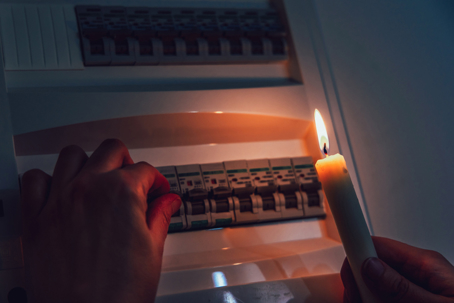
- Frequent Tripping: You find yourself walking to the garage or basement to flip a breaker back on multiple times a week.
- Dimming Lights: Your overhead lights flicker or dim every time the air conditioner compressor kicks into gear.
- Warm Hardware: The surface of your electrical panel or specific wall switches feels warm to the touch.
Comparing Causes: External Spikes vs. Internal Demand
The main difference is the source of the "extra" power. A power surge is usually an external bully forcing its way in. Whether it’s lightning or a utility grid malfunction, the spike comes from outside your control and overwhelms your system in a flash.
An overload is an internal demand issue created by our daily habits. It’s the result of cumulative power draw from too many appliances running at once. While we can’t stop lightning, we can manage our internal demand by being mindful of how much we plug in.
Comparing Effects: Fried Electronics vs. Fire Hazards
The consequences of these two events impact your home differently. A power surge is the "tech killer." It targets anything with a circuit board—smartphones, gaming consoles, and smart fridges. It can also cause silent damage, weakening your electronics so they fail months later.
A panel overload is a much more direct threat to your physical safety. When wires carry too much current, they get hot. If a breaker fails to trip, that heat can melt insulation and spark a fire inside your walls. This makes a healthy, modern electrical panel your home’s most important safety feature.
Taking Steps to Protect Your Indiana Home This Summer
You can't control the weather, but you can prepare for it. Protecting your home requires a two-part strategy. First, defend against external spikes with high-quality protection. Second, ensure your internal system is strong enough to handle your family’s summer power needs.
Managing your AC use is a great start. Try running heavy appliances like the dishwasher or dryer in the early morning or late evening. This takes the peak pressure off your system when the AC is working its hardest.
Proactive steps for a safer summer:
- Space Out High-Draw Tasks: Avoid running the microwave and the toaster on the same circuit while the AC is humming.
- Inspect Your Panel: Look for any soot, discolored wires, or buzzing sounds coming from your breaker box.
- Test Your Breakers: Manually trip and reset your breakers once a year to ensure they aren't stuck or seized.
Trust the Professionals for Reliable Solutions
Summer electrical issues, such as surges and overloads, can be confusing and stressful for any homeowner. A power surge is an external voltage spike that threatens to destroy your expensive electronics in a split second. A panel overload is an internal demand problem that causes overheating and increases the risk of a dangerous house fire. Keeping your electrical system balanced and protected is the best way to ensure your home remains a safe haven all summer long.
When you need a professional eye to secure your home, Knee's Electrical Service provides the expert residential services to get the job done right. If your breakers are frequently tripping, our team can perform comprehensive electrical inspections, panel upgrades, and dedicated circuit installation to handle your AC's power draw. From minor electrical repair to full wiring and rewiring, we focus on building a power foundation you can trust.
Don't wait for a storm or a tripped breaker to find out if your home is at risk. Protect your family and your electronics by scheduling a professional safety evaluation today. Reach out to Knee's Electrical Service via our online contact form or call our local experts at (765) 201-7220.