.2312081018550.jpg)
On the first hot, stormy day of the season in Marion, many homeowners notice the same issues: lights flicker, breakers trip, or an appliance stops working after the power comes back on. It can feel random, like the weather just “fried something.” You reset the breaker or unplug a device and hope it does not happen again.
In reality, these patterns are rarely random. There are usually signs that Marion’s weather is putting extra stress on an electrical system that is already working hard. Thunderstorms, lightning, humidity, and temperature swings all affect your panel, wiring, and equipment in specific ways. Understanding how that happens makes it easier to decide what needs attention now and how to prepare for the next round of severe weather.
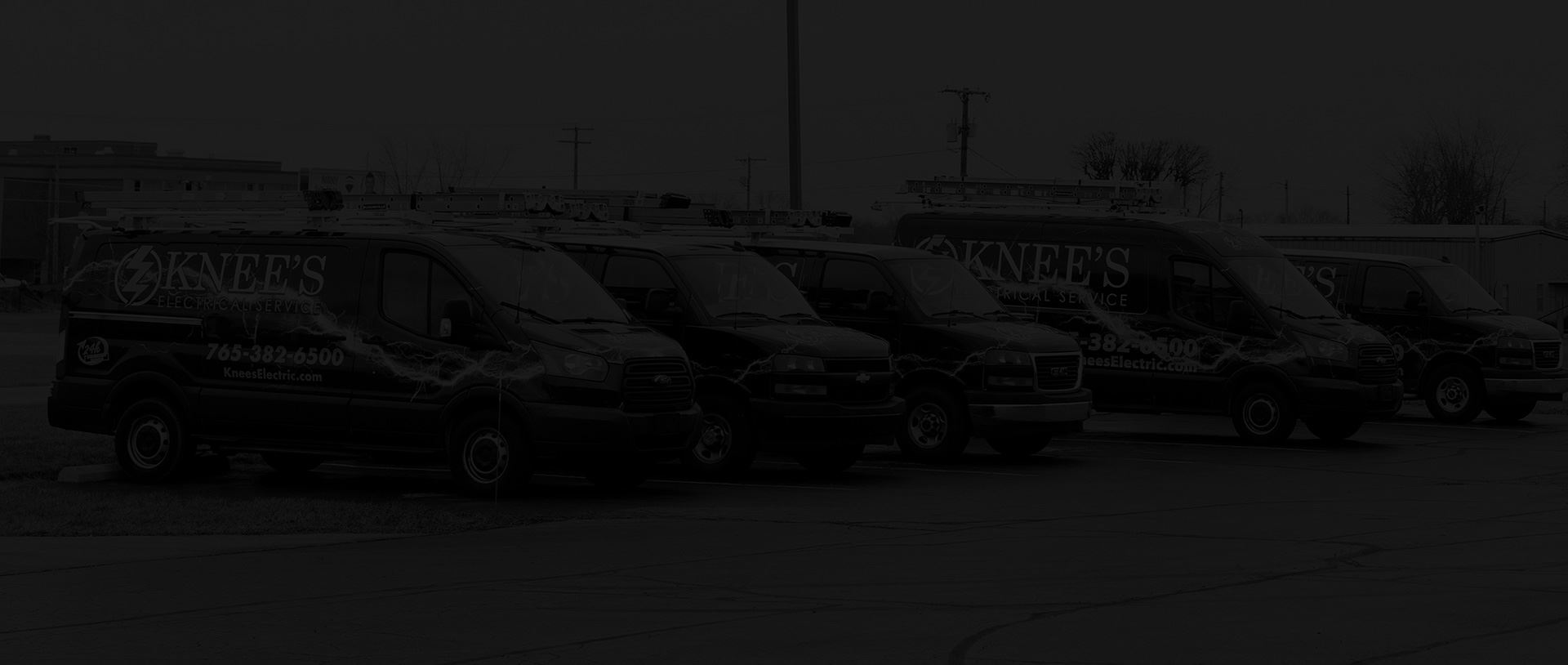
At Knee's Electrical Service, we have served Marion and nearby communities since 1971. We have responded to decades of storms, heatwaves, and cold snaps, and we see the same weather-related electrical issues repeat in both older and newer homes. Here is what we have learned about how Marion weather affects your electrical system and what practical steps help protect your home.
How Marion’s Weather Stresses Your Electrical System
Marion’s climate challenges your electrical system year-round. Spring and summer bring thunderstorms with lightning and strong winds that disrupt power and send surges through the grid. Hot, humid summers push air conditioners, dehumidifiers, and fans to run longer. Fall and winter add cold, snow, and freeze-thaw cycles that drive moisture into outdoor equipment and increase demand from heating systems.
Each of these conditions affects electrical components physically. Surges raise voltage for a split second, which can damage sensitive electronics or weaken insulation. High temperatures increase electrical load, and metal parts expand slightly under heat. Cold and moisture cause metals to contract and corrode, loosening connections and increasing resistance, which creates heat.
These stresses rarely cause immediate, dramatic failure. Instead, they act like repeated bending of a paperclip. Small weaknesses build up over time and show up as nuisance breaker trips, flickering lights, or electronics that fail sooner than expected. In older Marion homes especially, years of weather cycles can expose hidden issues in panels and wiring.
Storms, Lightning, and Power Surges
Lightning does not need to strike your house directly to cause problems. A strike on nearby power lines or equipment can send a sudden voltage spike through the utility lines feeding your home. That surge travels through the meter and into your main panel in a fraction of a second.
From there, it moves through breakers into branch circuits that serve outlets, lights, and hardwired equipment. Sensitive electronics such as TVs, computers, modems, smart appliances, and LED lighting drivers are especially vulnerable. Even if nothing fails immediately, repeated surges can shorten equipment lifespan.
Many homeowners rely only on plug-in surge strips. These can help with smaller spikes, but they do not stop a large surge from entering the home. Whole-home surge protection, installed at or near the main panel, helps clamp down larger surges before they spread through the system. It works best in combination with point-of-use protection.
After storms in Marion, we often see delayed problems: garage door openers stop working, furnace control boards fail, or GFCI outlets begin tripping. These can be signs of surge-related stress. During surge protection installations, Knee's Electrical Service also checks grounding and bonding because a strong grounding system gives excess energy a safe path away from your equipment.
Heatwaves, Heavy Loads, and Tripping Breakers
On very hot days, electrical demand inside your home climbs quickly. Air conditioners, refrigerators, freezers, and dehumidifiers run longer. Families add fans and sometimes window units. Together, these loads can push circuits and panels close to their limits.
Each circuit has a maximum amperage rating. Breakers are designed to trip when current exceeds safe levels to prevent overheating. When multiple large devices share a circuit, or when a motor like an AC unit starts up, the surge of current can trip the breaker. This is especially common during heatwaves.
Heat also affects panel hardware. As temperatures rise, metal parts expand. Over many seasons, expansion and contraction can loosen connections, especially in older panels. Loose connections increase resistance, which creates additional heat. Homeowners may notice more frequent tripping, buzzing sounds, or a faint burning smell near the panel.
In many Marion neighborhoods, original panels were not designed for today’s electrical demands. During evaluations, our technicians look for signs of overheating, discolored breakers, or overloaded circuits. Knee's Electrical Service can recommend dedicated circuits, load redistribution, or panel upgrades to reduce strain during extreme heat.
Cold, Moisture, and Freeze–Thaw Cycles
Cold weather often works together with moisture to create electrical issues. Wind-driven rain or snow can enter outdoor panels, meter bases, disconnects, and exterior outlets if seals or covers have deteriorated. Moisture on metal parts can create corrosion over time.
Corrosion increases resistance at connection points. Higher resistance means more heat under load, which can lead to nuisance tripping, intermittent power loss, or arcing. Arcing occurs when electricity jumps across a small gap, creating heat and a potential fire risk.
Freeze-thaw cycles add further stress. Water that seeps into small cracks can freeze and expand, widening gaps and allowing more moisture inside. Outdoor receptacles without proper in-use covers are especially vulnerable, and GFCI outlets in damp areas may begin tripping more frequently.
During winter and early spring service calls, we often find rusted meter cans, corroded disconnects, and exterior outlets with water intrusion. A weather-focused inspection checks these components closely and addresses problems before they escalate.
Common Weather-Related Electrical Symptoms
Weather stress usually shows up as everyday symptoms rather than dramatic failures. During storms, breakers may trip even without unusual usage, or lights may flicker with heavy rain or wind. Electronics may reset when power blinks.
During heatwaves, a bedroom or living room circuit may trip each afternoon. Lights may dim briefly when large equipment starts. Outlets or cords that feel warm can indicate overloading or loose connections.
In cold or wet seasons, exterior GFCIs may trip after storms. You might notice a burning smell or discoloration around outlets or the panel, which requires immediate attention. Some homeowners experience brief power loss in certain rooms during storms, pointing to loose connections.
While some disturbances originate with the utility, many recurring problems begin inside the home due to aging equipment, overloaded circuits, or moisture damage. If symptoms persist or worsen, especially if breakers will not reset or you detect heat or odor, Knee's Electrical Service is available 24 hours a day to address safety concerns.
Practical Ways to Protect Your Home
Improving resilience does not always require a complete system overhaul. Targeted upgrades and smarter usage can significantly reduce weather-related issues.
Whole-home surge protection is one of the most effective steps. Installed at the main panel, it diverts excess voltage to ground during spikes, protecting multiple circuits at once. Plug-in surge strips then serve as a secondary layer for sensitive electronics.
Ensuring circuits are properly sized for modern loads is also critical. Dedicated circuits for HVAC systems, electric ranges, dryers, and other high-demand equipment prevent overloads. A panel evaluation from Knee's Electrical Service can identify overheating, improper load distribution, or capacity concerns.
Safety devices such as GFCI and AFCI protection provide additional safeguards. GFCIs reduce shock risk in wet locations. AFCIs detect dangerous arcing inside wiring. Confirming these devices are properly installed and functioning improves safety, especially in aging homes.
Simple habits also help. Avoid stacking multiple power strips on one outlet. Spread portable heaters or window units across different circuits. Unplug non-essential electronics during severe storms.
How Knee's Electrical Service Helps Marion Homeowners
A weather-aware electrical evaluation begins at the service entrance and main panel. We check panel condition, connections, breakers, grounding, and bonding. We look for corrosion, overheating, and aging equipment that may need replacement.
We then review high-stress circuits serving HVAC systems, sump pumps, refrigerators, exterior outlets, and generator connections. Outdoor components are inspected for rust, loose fittings, and moisture entry points. Inside, we assess GFCI and AFCI protection and overall load balance.
Our technicians are professionally trained, background checked, and drug tested. We uphold the Technician Seal of Safety and treat your home with respect, using protective gear and maintaining a clean workspace.
With decades of service in Marion, an A+ BBB rating, and recognition from Angi and HomeAdvisor, we understand how local weather patterns affect electrical systems. Whether you need surge protection, a panel upgrade, or repairs after a storm, we explain our findings clearly and complete work to high safety standards.
Protect Your Home Before the Next Storm
Marion’s weather will continue to bring thunderstorms, heatwaves, and cold spells. But with the right preparation, your lights do not have to flicker and your breakers do not have to trip every time conditions change.
If you have noticed weather-related symptoms or want to prepare your home for the seasons ahead, contact Knee's Electrical Service to schedule an electrical weather-readiness evaluation. We can help you protect your panel, wiring, and equipment before the next round of extreme weather.